“So what are you?” “Where are you really from?” “Which side do you identify with more?”
It probably doesn't matter who you are, you've probably felt a mix of identies. Whether you are someone loves sports, but nerding out with board games, being a vegitarian that still enjoys the smell of a cheeseburger, or really any environment where one could hold the feeling of being in two opposing worlds.
While most of the scenarios described before are choices being mixed is not a choice any of us have. You're born into two different world.
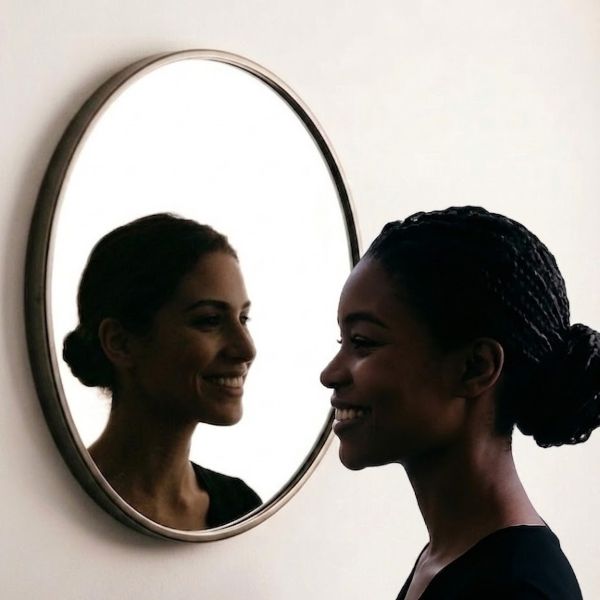
1. Feeling “Not Enough” of Either Race
One of the most common experiences for mixed kids is being told, often unintentionally, that they don’t fully belong anywhere. Comments like:
- “You don’t look Black enough.”
- “You’re too light to be Latina.”
- “You’re not Asian if you don’t speak the language.”
These messages leave mixed children feeling like they’re constantly being measured and evaluated. Instead of being allowed to exist as whole, complete individuals, they’re pressured to prove themselves to each side of their identity.
This can create a long-lasting feeling of not being “enough” for any group.
2. Conflicting Cultural Expectations
Growing up in two (or more) cultures means navigating completely different worlds—sometimes in the same house. Each culture may have its own norms, traditions, communication styles, and expectations.
Mixed kids often feel like they have to switch versions of themselves depending on where they are and who they’re with. This constant code-switching can lead to confusion, stress, and a sense of being split down the middle.
3. Society’s Need to Label Everything
People love categories. They want things to fit cleanly into boxes, including people. Mixed kids often deal with questions like:
- “So what are you?”
- “Where are you really from?”
- “Which side do you identify with more?”
Even when these questions aren’t meant to be hurtful, they can make a child feel like their identity is too complicated, messy, or confusing for others to accept. Over time, this pressure can make them feel like they need to simplify or hide parts of themselves to make other people comfortable.
4. Limited Representation in Media and Society
Representation matters, especially for kids. When mixed children rarely see people who share their features, hair texture, skin tone, or cultural blend, it can make them feel invisible.
Media often portrays identity as one-dimensional, which leaves mixed kids wondering where they fit in the world. Without characters, role models, or public figures who reflect their experience, it becomes harder for them to develop a strong sense of self.
5. Family and Community Misunderstandings
Even well-meaning families may not fully understand what it feels like to navigate multiple racial or cultural identities at once. Mixed kids may hear comments about:
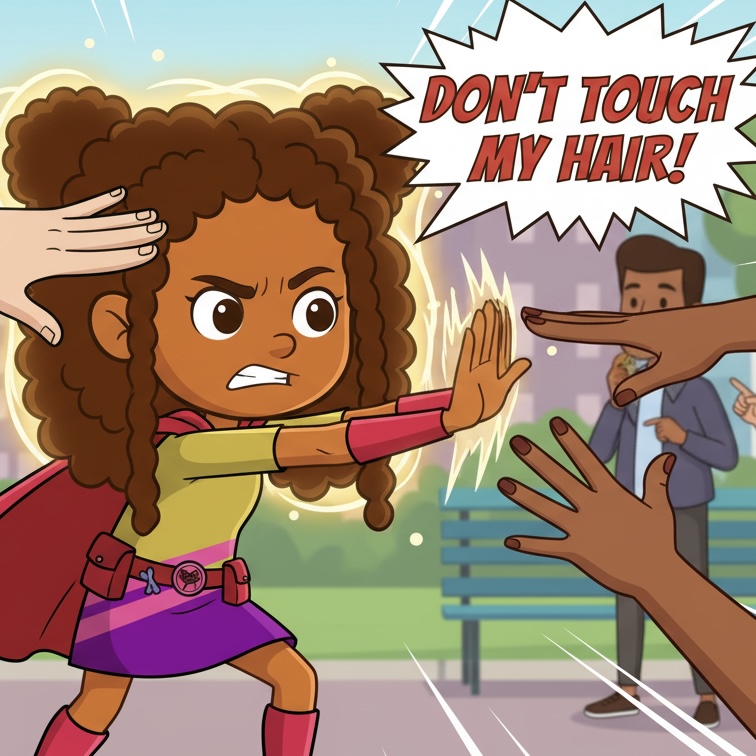
- their hair texture
- their skin tone
- “which side they favor”
- or assumptions about their identity
Sometimes one side of the family embraces them more than the other, or cultural traditions clash. This can leave a mixed child feeling torn, or like they need to pick a side in order to be accepted.
Why This Matters
Understanding these identity challenges isn’t about highlighting problems—it’s about supporting mixed kids as they grow into confident, well-rounded individuals who feel comfortable embracing all sides of who they are.
By acknowledging their struggles, celebrating their cultures, and creating space for them to define themselves, we help them build a strong and unified sense of identity.
See our other Curly Reads, Tutorials, and Stories on YouTube